
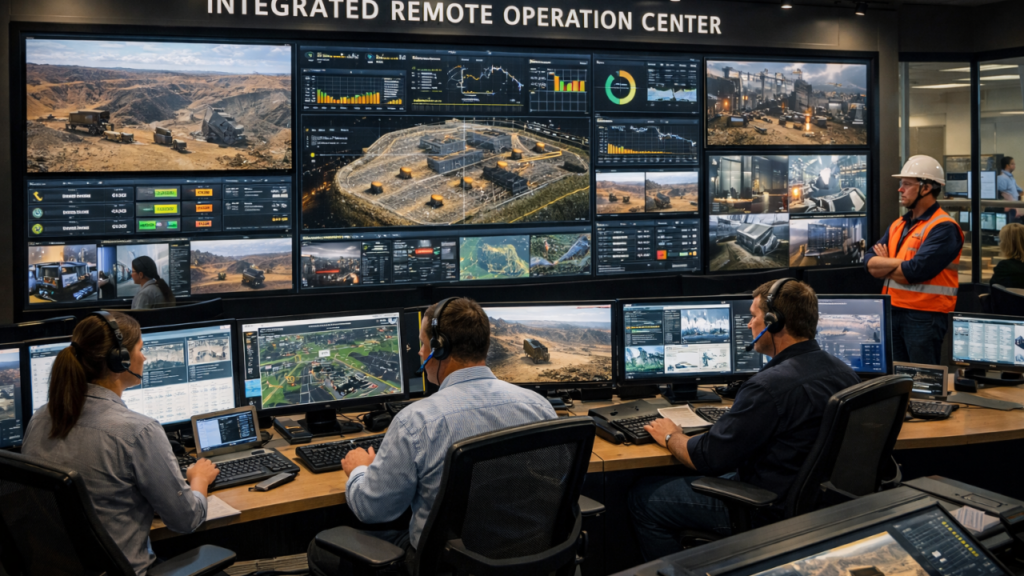
AI-Powered Remote Operations Intelligence System for Scalable Business Control in 2026
In 2026, business operations are no longer managed through manual tracking, spreadsheets, or disconnected tools. Companies are now building intelligent systems that monitor, analyze, and optimize every operational activity in real time. The goal is not just to manage operations but to build systems that continuously improve efficiency, reduce costs, and scale globally.
A well-designed remote operations intelligence system is now essential for modern organizations that want full control over distributed workflows. Companies that implement a remote operations intelligence system are able to unify operational data, automate execution processes, and improve decision-making across all departments. More importantly, a remote operations intelligence system transforms operations into a structured, data-driven, and self-optimizing ecosystem.
Instead of reactive management, businesses are now operating through real-time intelligence systems that guide every operational decision.
Why Operations Intelligence Matters in 2026
Modern operations are complex and multi-layered.
Common challenges include:
- Lack of visibility across departments
- Manual process inefficiencies
- Delayed decision-making
- Poor workflow coordination
- Resource mismanagement
A remote operations intelligence system solves these issues by integrating automation, analytics, and AI-driven monitoring.
Step 1: Build a Central Operations Intelligence Hub
A unified hub improves control and visibility.
A modern remote operations intelligence system includes:
- Central operations dashboard
- Real-time workflow monitoring systems
- Unified data aggregation engines
- Cross-department visibility tools
- Operational KPI tracking systems
This ensures full transparency across all business operations.
Step 2: Automate Core Operational Workflows
Automation reduces manual workload and errors.
A strong remote operations intelligence system includes:
- Process automation engines
- Task routing systems
- Workflow execution automation
- Smart approval systems
- Repetitive task elimination tools
This increases operational efficiency significantly.
Step 3: Improve Real-Time Decision Intelligence
Fast decisions improve performance.
A structured remote operations intelligence system includes:
- AI-based decision recommendation systems
- Real-time operational alerts
- Automated escalation frameworks
- Performance anomaly detection tools
- Live analytics dashboards
This ensures faster and smarter decision-making.
Step 4: Optimize Resource Allocation Systems
Efficient resource use is key to scalability.
A modern remote operations intelligence system includes:
- AI-driven workload balancing systems
- Resource utilization tracking tools
- Smart assignment engines
- Capacity forecasting models
- Operational efficiency optimization systems
This reduces waste and improves productivity.
Step 5: Strengthen Cross-Department Coordination
Operations require alignment across teams.
A strong remote operations intelligence system includes:
- Unified communication systems
- Department synchronization dashboards
- Inter-team workflow automation
- Shared KPI tracking systems
- Cross-functional task coordination tools
This improves collaboration and execution speed.
Step 6: Enhance Operational Performance Analytics
Data improves operational efficiency.
A structured remote operations intelligence system includes:
- Real-time performance dashboards
- KPI analysis engines
- Bottleneck detection systems
- Efficiency scoring models
- Predictive operational analytics
This helps identify weak points in operations.
Step 7: Build Continuous Optimization Loops
Operations must continuously improve.
A modern remote operations intelligence system includes:
- AI-driven process improvement engines
- Weekly operational review cycles
- Workflow efficiency optimization tools
- System-wide performance feedback loops
- Long-term operational evolution models
This ensures continuous improvement over time.

Advanced Operational Intelligence Architecture & Autonomous Business Control Systems in 2026
In 2026, business operations are no longer managed through manual supervision, disconnected dashboards, or reactive decision-making. Instead, companies are building fully integrated operational intelligence systems that continuously monitor performance, detect inefficiencies, and automatically optimize workflows across the entire organization. The focus has shifted from simply managing operations to engineering systems that can self-correct, self-optimize, and scale without constant human intervention.
A well-designed remote operations intelligence system has become the backbone of modern scalable enterprises. Organizations that implement a remote operations intelligence system are able to unify operational visibility, automate execution layers, and maintain real-time control over distributed teams and workflows. More importantly, a remote operations intelligence system transforms operations into a living intelligence ecosystem that continuously improves itself based on real-time data and predictive insights.
In advanced business environments, operations are no longer a support function—they are a fully automated intelligence layer that drives efficiency, profitability, and scalability.
Building a Centralized Operational Intelligence Control Core
Modern enterprises require a centralized system that acts as the command center for all operational activities across departments and regions.
A strong remote operations intelligence system includes control core systems such as:
- Unified operational command dashboards
- Centralized workflow execution monitoring engines
- Cross-department performance synchronization systems
- Real-time business activity tracking platforms
- AI-powered operational intelligence hubs
These systems ensure that every operational process is visible, measurable, and controllable in one unified environment.
A centralized control core improves transparency and strategic decision-making.
Enhancing AI-Driven Operational Forecasting Systems
One of the most powerful capabilities of modern operations systems is the ability to predict future performance and identify risks before they occur.
A structured remote operations intelligence system includes forecasting systems such as:
- Operational demand prediction models
- Workflow bottleneck forecasting engines
- Resource utilization forecasting tools
- Process delay risk detection systems
- AI-based operational trend analysis platforms
These systems allow businesses to proactively prepare for operational challenges instead of reacting after problems occur.
Forecasting systems improve stability and planning accuracy.
Strengthening Autonomous Workflow Execution Layers
Modern operations systems are moving toward full autonomy, where workflows execute themselves with minimal human involvement.
A modern remote operations intelligence system includes execution layers such as:
- Self-executing workflow automation engines
- Rule-based operational decision systems
- Intelligent task distribution frameworks
- Automated process lifecycle management tools
- Zero-touch operational execution systems
These systems reduce manual intervention and significantly increase execution speed and consistency.
Autonomous execution improves efficiency and reduces operational delays.
Improving Real-Time Operational Intelligence Monitoring
Visibility is critical for maintaining control over complex and distributed operations.
A strong remote operations intelligence system includes monitoring systems such as:
- Live operational performance dashboards
- Real-time KPI tracking engines
- Workflow execution visibility tools
- System health monitoring frameworks
- Automated operational alert systems
These systems ensure that inefficiencies are detected instantly and resolved before they escalate.
Real-time monitoring improves responsiveness and control.
Enhancing Intelligent Resource Optimization Systems
Efficient use of resources is essential for scalable operations and cost control.
A structured remote operations intelligence system includes optimization systems such as:
- AI-based resource allocation engines
- Workforce utilization optimization tools
- Capacity planning and forecasting models
- Smart workload balancing systems
- Operational cost efficiency dashboards
These systems ensure that resources are distributed efficiently across all operational functions.
Resource optimization improves profitability and scalability.
Strengthening Cross-System Operational Integration Networks
Modern operations depend on multiple tools and platforms that must work together seamlessly.
A modern remote operations intelligence system includes integration systems such as:
- Cross-platform workflow synchronization engines
- Unified data pipeline systems
- API-driven operational connectivity frameworks
- Multi-tool orchestration layers
- Centralized integration management hubs
These systems eliminate fragmentation and ensure smooth data and workflow exchange.
Integration networks improve operational cohesion.
Enhancing Continuous Operational Optimization Loops
High-performing organizations continuously refine their operational systems using structured feedback and AI-driven improvements.
A strong remote operations intelligence system includes optimization loops such as:
- Continuous workflow improvement cycles
- AI-driven operational efficiency enhancement engines
- Weekly performance analysis systems
- Bottleneck resolution feedback loops
- Long-term operational evolution frameworks
These systems ensure that operations become more efficient and intelligent over time.
Continuous optimization drives long-term business excellence.
Strengthening Scalable Global Operations Infrastructure
As businesses expand globally, operational systems must scale without losing control or efficiency.
A modern remote operations intelligence system includes scalable infrastructure such as:
- Cloud-based operational execution systems
- Distributed global workflow networks
- Multi-region performance coordination layers
- AI-powered load balancing systems
- Modular operational architecture frameworks
These systems ensure consistent performance across all regions and business units.
Scalable infrastructure supports global growth.

Advanced Operational Intelligence Architecture & Autonomous Business Control Systems in 2026
In 2026, business operations are no longer managed through manual supervision, disconnected dashboards, or reactive decision-making. Instead, companies are building fully integrated operational intelligence systems that continuously monitor performance, detect inefficiencies, and automatically optimize workflows across the entire organization. The focus has shifted from simply managing operations to engineering systems that can self-correct, self-optimize, and scale without constant human intervention.
A well-designed remote operations intelligence system has become the backbone of modern scalable enterprises. Organizations that implement a remote operations intelligence system are able to unify operational visibility, automate execution layers, and maintain real-time control over distributed teams and workflows. More importantly, a remote operations intelligence system transforms operations into a living intelligence ecosystem that continuously improves itself based on real-time data and predictive insights.
In advanced business environments, operations are no longer a support function—they are a fully automated intelligence layer that drives efficiency, profitability, and scalability.
Building a Centralized Operational Intelligence Control Core
Modern enterprises require a centralized system that acts as the command center for all operational activities across departments and regions.
A strong remote operations intelligence system includes control core systems such as:
- Unified operational command dashboards
- Centralized workflow execution monitoring engines
- Cross-department performance synchronization systems
- Real-time business activity tracking platforms
- AI-powered operational intelligence hubs
These systems ensure that every operational process is visible, measurable, and controllable in one unified environment.
A centralized control core improves transparency and strategic decision-making.
Enhancing AI-Driven Operational Forecasting Systems
One of the most powerful capabilities of modern operations systems is the ability to predict future performance and identify risks before they occur.
A structured remote operations intelligence system includes forecasting systems such as:
- Operational demand prediction models
- Workflow bottleneck forecasting engines
- Resource utilization forecasting tools
- Process delay risk detection systems
- AI-based operational trend analysis platforms
These systems allow businesses to proactively prepare for operational challenges instead of reacting after problems occur.
Forecasting systems improve stability and planning accuracy.
Strengthening Autonomous Workflow Execution Layers
Modern operations systems are moving toward full autonomy, where workflows execute themselves with minimal human involvement.
A modern remote operations intelligence system includes execution layers such as:
- Self-executing workflow automation engines
- Rule-based operational decision systems
- Intelligent task distribution frameworks
- Automated process lifecycle management tools
- Zero-touch operational execution systems
These systems reduce manual intervention and significantly increase execution speed and consistency.
Autonomous execution improves efficiency and reduces operational delays.
Improving Real-Time Operational Intelligence Monitoring
Visibility is critical for maintaining control over complex and distributed operations.
A strong remote operations intelligence system includes monitoring systems such as:
- Live operational performance dashboards
- Real-time KPI tracking engines
- Workflow execution visibility tools
- System health monitoring frameworks
- Automated operational alert systems
These systems ensure that inefficiencies are detected instantly and resolved before they escalate.
Real-time monitoring improves responsiveness and control.
Enhancing Intelligent Resource Optimization Systems
Efficient use of resources is essential for scalable operations and cost control.
A structured remote operations intelligence system includes optimization systems such as:
- AI-based resource allocation engines
- Workforce utilization optimization tools
- Capacity planning and forecasting models
- Smart workload balancing systems
- Operational cost efficiency dashboards
These systems ensure that resources are distributed efficiently across all operational functions.
Resource optimization improves profitability and scalability.
Strengthening Cross-System Operational Integration Networks
Modern operations depend on multiple tools and platforms that must work together seamlessly.
A modern remote operations intelligence system includes integration systems such as:
- Cross-platform workflow synchronization engines
- Unified data pipeline systems
- API-driven operational connectivity frameworks
- Multi-tool orchestration layers
- Centralized integration management hubs
These systems eliminate fragmentation and ensure smooth data and workflow exchange.
Integration networks improve operational cohesion.
Enhancing Continuous Operational Optimization Loops
High-performing organizations continuously refine their operational systems using structured feedback and AI-driven improvements.
A strong remote operations intelligence system includes optimization loops such as:
- Continuous workflow improvement cycles
- AI-driven operational efficiency enhancement engines
- Weekly performance analysis systems
- Bottleneck resolution feedback loops
- Long-term operational evolution frameworks
These systems ensure that operations become more efficient and intelligent over time.
Continuous optimization drives long-term business excellence.
Strengthening Scalable Global Operations Infrastructure
As businesses expand globally, operational systems must scale without losing control or efficiency.
A modern remote operations intelligence system includes scalable infrastructure such as:
- Cloud-based operational execution systems
- Distributed global workflow networks
- Multi-region performance coordination layers
- AI-powered load balancing systems
- Modular operational architecture frameworks
These systems ensure consistent performance across all regions and business units.
Scalable infrastructure supports global growth.
Advanced Operational AI Orchestration Networks & Self-Evolving Enterprise Control Systems in 2026
In 2026, business operations are no longer handled through manual coordination, isolated software tools, or reactive management decisions. Instead, companies are building fully autonomous operational intelligence networks where every workflow, task, and process is continuously monitored, optimized, and improved using AI-driven systems. The goal is not only efficiency but the creation of self-evolving operational ecosystems that can scale without proportional increases in human effort.
A well-designed remote operations intelligence system has become the central control backbone of modern enterprises. Organizations that implement a remote operations intelligence system are able to unify operational visibility, automate execution flows, and maintain real-time control over distributed business functions. More importantly, a remote operations intelligence system transforms operations into a continuously learning ecosystem that improves performance through data feedback loops and predictive intelligence.
In advanced digital enterprises, operations are no longer static processes—they are dynamic intelligence systems that evolve based on business demand, performance signals, and system behavior patterns.
Building an AI-Driven Operational Coordination Grid
Modern enterprises require an interconnected operational grid that ensures every department, system, and workflow operates in synchronization.
A strong remote operations intelligence system includes coordination grid systems such as:
- Unified operational synchronization engines
- Cross-department workflow alignment systems
- Real-time execution coordination dashboards
- Centralized operational command interfaces
- AI-powered process routing networks
These systems ensure that all business operations are aligned and executed without conflict or delay.
Coordination grids improve operational harmony and execution speed.
Enhancing Predictive Operational Load Balancing Systems
One of the key challenges in large-scale operations is uneven workload distribution and system overload.
A structured remote operations intelligence system includes load balancing systems such as:
- AI-based workload prediction engines
- Dynamic task redistribution systems
- Capacity utilization forecasting models
- Operational stress detection frameworks
- Real-time workload adjustment tools
These systems ensure that no team, system, or workflow becomes overloaded while others remain underutilized.
Load balancing improves efficiency and prevents operational bottlenecks.
Strengthening Autonomous Process Lifecycle Management
Modern operations require systems that can manage entire workflows from initiation to completion without manual oversight.
A modern remote operations intelligence system includes lifecycle systems such as:
- End-to-end workflow automation engines
- Process initiation and completion tracking systems
- Rule-based lifecycle progression frameworks
- Automated exception handling systems
- Smart workflow termination and restart tools
These systems ensure that processes move smoothly through every stage with minimal human intervention.
Lifecycle automation increases speed and consistency.
Improving Real-Time Operational Decision Intelligence Systems
Fast and accurate decision-making is critical for maintaining operational efficiency in complex environments.
A strong remote operations intelligence system includes decision systems such as:
- AI-based operational recommendation engines
- Real-time decision support dashboards
- Automated escalation decision frameworks
- Business rule execution systems
- Predictive operational decision models
These systems ensure that decisions are made instantly based on live operational data.
Decision intelligence improves responsiveness and accuracy.
Enhancing Unified Operational Data Intelligence Systems
Data is the foundation of all modern operational systems, and without structured data intelligence, optimization is impossible.
A structured remote operations intelligence system includes data systems such as:
- Centralized operational data lakes
- Cross-system data aggregation pipelines
- Real-time analytics processing engines
- Operational insight generation systems
- AI-powered data interpretation models
These systems ensure that all operational decisions are backed by accurate and unified data.
Data intelligence strengthens strategic planning and execution.
Strengthening Continuous Operational Self-Optimization Cycles
The most advanced enterprises continuously refine their operations using automated feedback systems and AI learning loops.
A modern remote operations intelligence system includes optimization cycles such as:
- Continuous process improvement engines
- Weekly operational performance review systems
- AI-driven efficiency enhancement loops
- Workflow bottleneck resolution systems
- Long-term operational evolution frameworks
These systems ensure that operations become more efficient and intelligent over time.
Self-optimization creates long-term competitive strength.
Enhancing Scalable Multi-Region Operational Infrastructure
As companies expand globally, operations must remain consistent, efficient, and synchronized across all regions.
A strong remote operations intelligence system includes scalable infrastructure such as:
- Cloud-based global operations platforms
- Distributed workflow execution networks
- Multi-region operational synchronization systems
- AI-powered infrastructure scaling engines
- Modular enterprise architecture frameworks
These systems ensure seamless performance regardless of geographic scale.
Scalability ensures global operational stability.

The Fastest Way to Scale Your Business Without Increasing Costs
If you are serious about scaling your business, Hire Virtual Assistant for Small Business is no longer optional — it’s a necessity.
Instead of spending hours on repetitive work, imagine focusing only on:
- Growing your revenue
- Closing more clients
- Expanding your services
- Improving your brand
A virtual assistant handles everything else in the background.
With Slash My Payroll, you get access to global talent that fits your exact business needs. Whether you need a customer support agent, a marketing assistant, or a full-time operations VA, you can find the right match quickly and affordably.
Why act now?
Businesses that start outsourcing early scale faster than competitors because they:
- Reduce operational workload
- Save thousands in hiring costs
- Improve response times
- Operate more efficiently
Every day you delay outsourcing is a day your competitors move ahead.
Ready to hire?
Start building your remote team today:
👉 Get Started with Slash My Payroll
You can discuss your requirements and get matched with skilled professionals based on your business needs.
Connect with us
Follow us for updates, hiring tips, and business growth strategies: