
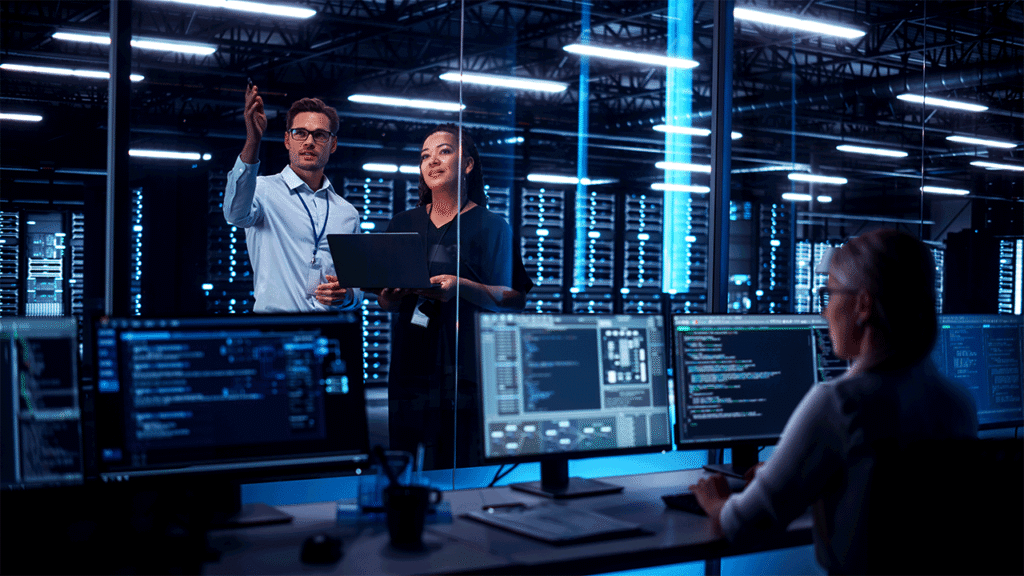
AI-Driven Remote Cybersecurity Management System for Business Protection in 2026
In 2026, cybersecurity is no longer handled through simple antivirus software or occasional security audits. Businesses now operate in highly connected digital environments where cyber threats evolve constantly, targeting networks, cloud infrastructure, remote teams, and operational systems. Companies that fail to modernize their security infrastructure face financial losses, operational disruption, and reputational damage.
A well-designed remote cybersecurity management system has become essential for modern organizations that rely on digital infrastructure. Businesses that implement a remote cybersecurity management system are able to monitor threats in real time, automate security responses, and maintain stronger protection across distributed systems. More importantly, a remote cybersecurity management system transforms security from a reactive process into a proactive intelligence-driven ecosystem.
Instead of waiting for attacks to happen, modern companies now use predictive and automated systems that continuously identify and neutralize threats.
Why Cybersecurity Management Matters in 2026
Cyber threats are becoming more advanced and automated.
Common risks include:
- Ransomware attacks
- Data breaches
- Phishing and social engineering
- Cloud security vulnerabilities
- Unauthorized system access
A remote cybersecurity management system helps organizations reduce these risks through automation, AI monitoring, and real-time intelligence.
Step 1: Build a Central Security Monitoring Hub
A centralized system improves visibility across the entire network.
A modern remote cybersecurity management system includes:
- Central security command dashboards
- Real-time threat monitoring systems
- Unified network visibility tools
- Security event tracking platforms
- Cross-system monitoring engines
This ensures complete awareness of all security activity.
Step 2: Automate Threat Detection Systems
Automation improves detection speed and accuracy.
A strong remote cybersecurity management system includes:
- AI-powered threat detection engines
- Behavioral anomaly monitoring tools
- Suspicious activity tracking systems
- Automated malware scanning frameworks
- Real-time intrusion detection systems
This reduces the risk of unnoticed attacks.
Step 3: Strengthen Access Control & Identity Security
Unauthorized access is one of the biggest security risks.
A structured remote cybersecurity management system includes:
- Multi-factor authentication systems
- Identity verification frameworks
- Role-based access control tools
- Secure login monitoring systems
- User activity tracking dashboards
This helps protect sensitive systems and data.
Step 4: Improve Cloud & Remote Infrastructure Security
Remote operations require secure cloud environments.
A modern remote cybersecurity management system includes:
- Cloud infrastructure protection systems
- Remote endpoint security tools
- Secure VPN management frameworks
- Distributed network monitoring engines
- Encrypted communication systems
This ensures safer remote business operations.
Step 5: Enhance Incident Response Automation
Fast response minimizes damage during attacks.
A strong remote cybersecurity management system includes:
- Automated incident response workflows
- Real-time threat isolation systems
- Security escalation engines
- Attack containment frameworks
- Recovery coordination dashboards
This improves response speed and operational recovery.
Step 6: Optimize Security Analytics & Intelligence
Data improves cybersecurity performance.
A structured remote cybersecurity management system includes:
- Threat intelligence analysis systems
- Security trend monitoring dashboards
- Vulnerability assessment engines
- Predictive attack forecasting models
- Risk scoring frameworks
This helps organizations prepare for future threats.
Step 7: Build Continuous Security Improvement Loops
Cybersecurity must evolve continuously.
A modern remote cybersecurity management system includes:
- AI-driven security optimization systems
- Continuous vulnerability scanning tools
- Weekly security performance reviews
- Threat response improvement loops
- Long-term cybersecurity evolution models
This ensures stronger protection over time.

Advanced Cybersecurity Intelligence Architecture & Autonomous Threat Defense Ecosystems in 2026
In 2026, cybersecurity is no longer a basic IT responsibility handled through traditional firewalls and manual monitoring systems. Modern businesses operate in highly connected digital environments where threats evolve continuously through AI-powered attacks, advanced malware systems, automated phishing networks, and cloud infrastructure vulnerabilities. Organizations can no longer rely on reactive defense models because cyberattacks now move faster than manual response teams can handle.
A well-designed remote cybersecurity management system has become the foundation of digital business protection. Companies that implement a remote cybersecurity management system are able to monitor infrastructure in real time, automate threat detection, and coordinate intelligent responses across distributed networks. More importantly, a remote cybersecurity management system transforms cybersecurity into a predictive, self-learning, and continuously evolving defense ecosystem.
In advanced enterprises, cybersecurity is no longer treated as a support function—it is a strategic intelligence layer that directly protects operations, revenue, customer trust, and long-term business continuity.
Building a Centralized Cybersecurity Intelligence Core
The foundation of modern digital protection is a centralized intelligence layer that aggregates and analyzes security data from all systems and endpoints.
A strong remote cybersecurity management system includes intelligence core systems such as:
- Unified cybersecurity command dashboards
- Centralized threat monitoring engines
- Cross-network activity visibility systems
- Real-time security analytics platforms
- AI-powered security intelligence centers
These systems ensure that all security events are tracked, analyzed, and prioritized from one unified environment.
A centralized intelligence core improves visibility and response coordination.
Enhancing AI-Driven Threat Prediction Systems
Modern cybersecurity focuses not only on detecting attacks but also on predicting threats before they occur.
A structured remote cybersecurity management system includes predictive systems such as:
- AI-based attack forecasting models
- Behavioral anomaly prediction engines
- Threat pattern recognition systems
- Suspicious activity probability scoring tools
- Early-warning cybersecurity intelligence frameworks
These systems help organizations identify risks before attackers can cause damage.
Predictive security improves prevention and operational resilience.
Strengthening Autonomous Threat Detection & Response Layers
Cyberattacks move too quickly for fully manual response systems. Modern security platforms therefore rely on autonomous defense layers.
A modern remote cybersecurity management system includes autonomous systems such as:
- Self-learning intrusion detection engines
- Automated malware isolation frameworks
- AI-powered incident response systems
- Real-time threat containment tools
- Autonomous security escalation mechanisms
These systems ensure immediate response to suspicious activities without waiting for human intervention.
Autonomous defense significantly reduces attack impact.
Improving Identity & Access Intelligence Systems
Identity security has become one of the most important components of digital protection.
A strong remote cybersecurity management system includes identity systems such as:
- AI-powered identity verification frameworks
- Multi-factor authentication orchestration systems
- User behavior monitoring engines
- Privileged access management tools
- Real-time login anomaly detection systems
These systems ensure that only authorized users can access sensitive resources.
Identity intelligence reduces unauthorized access risks.
Enhancing Cloud & Distributed Infrastructure Protection
As businesses move toward remote operations and cloud environments, cybersecurity systems must protect highly distributed infrastructures.
A structured remote cybersecurity management system includes infrastructure systems such as:
- Cloud workload protection platforms
- Distributed endpoint security frameworks
- Remote device monitoring systems
- Secure encrypted communication layers
- Multi-region infrastructure security orchestration tools
These systems ensure strong protection across remote and cloud-based operations.
Infrastructure protection improves operational continuity.
Strengthening Real-Time Cybersecurity Visibility & Monitoring
Visibility is critical for detecting threats early and maintaining security control across all systems.
A modern remote cybersecurity management system includes monitoring systems such as:
- Live cybersecurity dashboards
- Real-time network activity tracking engines
- Security event monitoring systems
- Vulnerability detection frameworks
- Automated threat alert mechanisms
These systems ensure that unusual activity is detected and addressed immediately.
Real-time monitoring improves responsiveness and control.
Enhancing Continuous Security Optimization Loops
Cybersecurity systems must continuously evolve to defend against increasingly advanced threats.
A strong remote cybersecurity management system includes optimization loops such as:
- AI-driven security improvement engines
- Continuous vulnerability scanning systems
- Weekly threat intelligence analysis cycles
- Incident response refinement frameworks
- Long-term cybersecurity evolution models
These systems ensure that protection systems improve continuously over time.
Continuous optimization creates long-term resilience.
Strengthening Scalable Enterprise Security Infrastructure
As businesses expand globally, cybersecurity systems must scale without reducing protection quality or visibility.
A modern remote cybersecurity management system includes scalable infrastructure such as:
- Cloud-native security execution platforms
- Distributed security orchestration systems
- Multi-region threat monitoring frameworks
- AI-powered security load balancing tools
- Modular cybersecurity architecture systems
These systems ensure consistent protection across global operations.
Scalable infrastructure supports long-term business growth.

Advanced Autonomous Cyber Defense Networks & AI-Powered Security Intelligence Framework in 2026
In 2026, cybersecurity has evolved far beyond traditional antivirus software, firewalls, and manual security operations. Businesses now operate inside highly connected digital ecosystems where attacks are automated, AI-assisted, and capable of targeting multiple infrastructure layers simultaneously. Organizations are no longer focused only on blocking attacks—they are building intelligent security ecosystems that can predict, isolate, and neutralize threats before damage occurs.
A well-structured remote cybersecurity management system has become essential for protecting modern digital enterprises. Companies that implement a remote cybersecurity management system are able to automate threat monitoring, coordinate defense responses, and secure distributed infrastructure in real time. More importantly, a remote cybersecurity management system transforms cybersecurity into a self-learning intelligence ecosystem that continuously improves protection through automation and predictive analytics.
In advanced business environments, cybersecurity is no longer a reactive defense mechanism—it is a proactive operational intelligence layer that protects every digital process within the organization.
Building a Unified Cyber Defense Command Architecture
Modern enterprises require centralized control systems that coordinate all cybersecurity operations across networks, cloud environments, and remote endpoints.
A strong remote cybersecurity management system includes command architecture systems such as:
- Centralized cyber defense dashboards
- Unified threat intelligence coordination platforms
- Cross-network security visibility systems
- Real-time security orchestration engines
- AI-powered cyber operations command centers
These systems ensure that all security activity is monitored and managed from a single intelligence layer.
Unified command systems improve visibility and response coordination.
Enhancing Predictive Threat Intelligence & Attack Prevention Systems
Modern cyber defense focuses heavily on predicting attacks before they occur rather than responding after damage happens.
A structured remote cybersecurity management system includes predictive systems such as:
- AI-based attack prediction engines
- Threat behavior analysis frameworks
- Malware evolution forecasting systems
- Suspicious activity probability scoring models
- Early-warning cyber risk intelligence tools
These systems allow organizations to identify vulnerabilities and attack patterns before exploitation occurs.
Predictive intelligence strengthens proactive security defense.
Strengthening Autonomous Security Response Networks
Cyber threats move too quickly for manual response teams alone, making autonomous defense systems essential.
A modern remote cybersecurity management system includes autonomous systems such as:
- Self-automated threat isolation engines
- AI-powered intrusion response systems
- Real-time malware containment frameworks
- Automated incident escalation networks
- Intelligent recovery coordination tools
These systems ensure immediate containment and mitigation of cyber threats without waiting for human intervention.
Autonomous response reduces damage and downtime.
Improving Identity Protection & Zero-Trust Security Systems
Identity management has become one of the most important aspects of cybersecurity in remote and distributed environments.
A strong remote cybersecurity management system includes identity systems such as:
- Zero-trust access verification frameworks
- Multi-factor authentication orchestration systems
- User behavior anomaly monitoring engines
- Privileged access control platforms
- AI-driven login risk analysis systems
These systems ensure that every access request is verified continuously rather than trusted automatically.
Zero-trust security reduces unauthorized access risks.
Enhancing Distributed Cloud & Endpoint Protection Systems
Modern organizations rely heavily on remote devices and cloud infrastructure, requiring advanced distributed protection systems.
A structured remote cybersecurity management system includes infrastructure systems such as:
- Cloud-native workload protection platforms
- Endpoint detection and response systems
- Secure remote device management frameworks
- Encrypted communication orchestration layers
- Multi-region cloud security coordination engines
These systems ensure consistent protection across all remote infrastructure environments.
Distributed protection strengthens operational continuity.
Strengthening Real-Time Cybersecurity Analytics & Visibility Systems
Continuous visibility is essential for identifying threats and maintaining security control across large digital ecosystems.
A modern remote cybersecurity management system includes analytics systems such as:
- Live cyber threat monitoring dashboards
- Real-time vulnerability tracking engines
- Security event analysis systems
- Automated breach detection frameworks
- Threat intelligence reporting platforms
These systems ensure that potential attacks are identified instantly and addressed rapidly.
Real-time analytics improve security responsiveness.
Enhancing Continuous Security Evolution & Optimization Loops
Cybersecurity systems must continuously evolve to defend against rapidly changing attack strategies.
A strong remote cybersecurity management system includes optimization systems such as:
- AI-driven security enhancement engines
- Continuous penetration testing frameworks
- Vulnerability improvement feedback loops
- Weekly cyber risk analysis systems
- Long-term defense evolution models
These systems ensure that security infrastructures improve continuously over time.
Continuous optimization creates long-term digital resilience.
Strengthening Scalable Enterprise Cybersecurity Infrastructure
As businesses scale globally, cybersecurity systems must expand without reducing visibility, performance, or protection quality.
A modern remote cybersecurity management system includes scalable infrastructure such as:
- Distributed global cyber defense networks
- Cloud-based security orchestration platforms
- Multi-region threat coordination systems
- AI-powered infrastructure scaling frameworks
- Modular enterprise cybersecurity architecture models
These systems ensure reliable protection regardless of operational size or geographic expansion.
Scalable infrastructure supports secure global growth.
Advanced AI Security Orchestration & Self-Healing Cyber Defense Infrastructure in 2026
In 2026, cybersecurity has become one of the most critical operational priorities for modern businesses. Organizations no longer face only isolated attacks from individual hackers. Instead, they operate in digital environments filled with automated ransomware networks, AI-generated phishing campaigns, cloud infrastructure vulnerabilities, and highly sophisticated cybercriminal ecosystems. Traditional security methods are no longer sufficient because threats evolve faster than manual security teams can respond.
A well-designed remote cybersecurity management system is now the foundation of secure digital business operations. Companies that implement a remote cybersecurity management system are able to unify security monitoring, automate defense workflows, and continuously protect distributed infrastructure in real time. More importantly, a remote cybersecurity management system transforms cybersecurity into a self-healing and continuously evolving defense ecosystem powered by AI-driven intelligence.
Modern organizations are no longer relying solely on reactive protection. Instead, they are building predictive and autonomous security environments capable of identifying, isolating, and neutralizing threats before they spread.
Building an Intelligent Cybersecurity Coordination Network
Modern enterprises require fully connected security systems that coordinate defense activities across all infrastructure layers.
A strong remote cybersecurity management system includes coordination systems such as:
- Unified cyber defense orchestration engines
- Cross-network security synchronization systems
- Real-time infrastructure monitoring platforms
- Centralized security command dashboards
- AI-powered cyber coordination layers
These systems ensure that all security processes operate together as one connected ecosystem.
Coordination networks improve security efficiency and visibility.
Enhancing AI-Based Threat Behavior Analysis Systems
Understanding attacker behavior is essential for predicting and preventing cyber threats.
A structured remote cybersecurity management system includes behavior analysis systems such as:
- AI-driven attack pattern recognition engines
- Suspicious behavior detection frameworks
- Threat movement tracking systems
- User anomaly monitoring tools
- Predictive cyber risk scoring models
These systems help organizations identify potential threats before they escalate into major incidents.
Behavior analysis improves proactive defense capabilities.
Strengthening Autonomous Security Remediation Systems
Modern cyber defense systems must respond instantly to attacks without waiting for manual intervention.
A modern remote cybersecurity management system includes remediation systems such as:
- Automated threat containment frameworks
- Self-healing infrastructure recovery systems
- AI-powered malware removal engines
- Real-time incident response automation tools
- Intelligent security escalation systems
These systems ensure rapid recovery and reduced operational disruption during cyber incidents.
Autonomous remediation minimizes attack damage.
Improving Secure Identity & Access Governance Systems
Identity protection is one of the most important security layers in distributed business environments.
A strong remote cybersecurity management system includes governance systems such as:
- Zero-trust authentication frameworks
- Privileged access management systems
- Multi-factor identity verification tools
- Login behavior intelligence engines
- Real-time access anomaly monitoring systems
These systems ensure that access to sensitive resources is continuously verified and monitored.
Identity governance reduces insider and external threats.
Enhancing Distributed Cloud Security Intelligence
Businesses increasingly rely on remote infrastructure, requiring advanced cloud-focused security systems.
A structured remote cybersecurity management system includes cloud intelligence systems such as:
- Cloud workload protection frameworks
- Distributed endpoint monitoring systems
- Secure remote infrastructure management tools
- Encrypted communication orchestration layers
- Multi-cloud security visibility platforms
These systems ensure strong protection across cloud-based and remote operational environments.
Cloud intelligence improves infrastructure resilience.
Strengthening Real-Time Security Visibility & Analytics
Continuous visibility allows organizations to detect and address threats before they spread.
A modern remote cybersecurity management system includes visibility systems such as:
- Live cybersecurity analytics dashboards
- Real-time threat detection engines
- Vulnerability monitoring frameworks
- Automated security event tracking systems
- AI-powered breach alert platforms
These systems ensure immediate awareness of security risks across the organization.
Real-time visibility improves threat response speed.
Enhancing Continuous Cybersecurity Evolution Systems
Cyber threats evolve constantly, requiring defense systems to improve continuously over time.
A strong remote cybersecurity management system includes evolution systems such as:
- AI-driven security optimization engines
- Continuous penetration testing frameworks
- Threat intelligence improvement loops
- Weekly security assessment systems
- Long-term cyber defense evolution models
These systems ensure that security infrastructure becomes stronger and more adaptive over time.
Continuous evolution creates sustainable protection.

The Fastest Way to Scale Your Business Without Increasing Costs
If you are serious about scaling your business, Hire Virtual Assistant for Small Business is no longer optional — it’s a necessity.
Instead of spending hours on repetitive work, imagine focusing only on:
- Growing your revenue
- Closing more clients
- Expanding your services
- Improving your brand
A virtual assistant handles everything else in the background.
With Slash My Payroll, you get access to global talent that fits your exact business needs. Whether you need a customer support agent, a marketing assistant, or a full-time operations VA, you can find the right match quickly and affordably.
Why act now?
Businesses that start outsourcing early scale faster than competitors because they:
- Reduce operational workload
- Save thousands in hiring costs
- Improve response times
- Operate more efficiently
Every day you delay outsourcing is a day your competitors move ahead.
Ready to hire?
Start building your remote team today:
👉 Get Started with Slash My Payroll
You can discuss your requirements and get matched with skilled professionals based on your business needs.
Connect with us
Follow us for updates, hiring tips, and business growth strategies: