AI-Powered Remote Workforce Performance Optimization System for High-Productivity Teams in 2026
In 2026, managing remote teams is no longer about simple task tracking or basic communication tools. Businesses now operate in distributed environments where employees work across different time zones, tools, and workflows. Without structured systems, productivity drops, accountability becomes unclear, and performance becomes difficult to measure.
A well-designed remote workforce performance optimization system has become essential for modern organizations. Companies that implement a remote workforce performance optimization system are able to track productivity, automate performance insights, and improve team efficiency in real time. More importantly, a remote workforce performance optimization system transforms workforce management into a structured, data-driven, and continuously improving system.
Instead of relying on manual supervision, companies now use AI-powered systems to optimize how teams work and deliver results.
Why Workforce Optimization Matters in 2026
Remote and hybrid work environments introduce new challenges.
Common issues include:
- Lack of productivity visibility
- Uneven workload distribution
- Communication delays
- Poor task accountability
- Low performance tracking accuracy
A remote workforce performance optimization system solves these problems using automation and real-time analytics.
Step 1: Build a Central Workforce Intelligence Hub
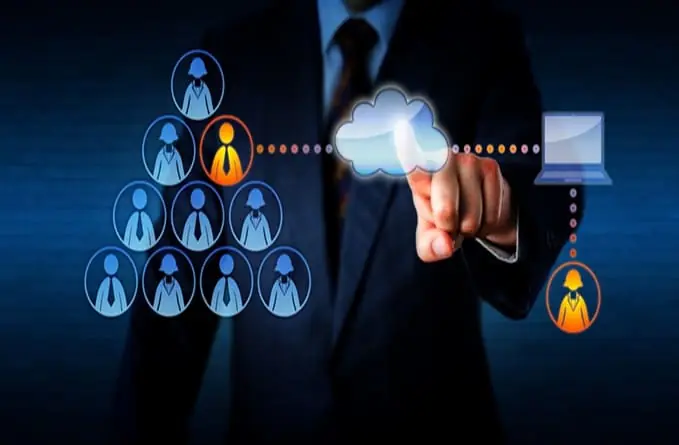
A unified dashboard improves visibility and control.
A modern remote workforce performance optimization system includes:
- Central performance tracking dashboards
- Real-time employee activity monitoring systems
- Task progress visualization tools
- Team productivity analytics platforms
- Cross-department performance integration
This ensures complete transparency across teams.
Step 2: Automate Task Assignment & Workflow Distribution
Automation improves efficiency and balance.
A strong remote workforce performance optimization system includes:
- AI-based task assignment engines
- Smart workload balancing systems
- Automated project routing tools
- Priority-based task distribution frameworks
- Real-time workload adjustment systems
This ensures fair and efficient task distribution.
Step 3: Improve Real-Time Productivity Monitoring
Visibility helps improve performance.
A structured remote workforce performance optimization system includes:
- Live productivity tracking dashboards
- Work hour analysis systems
- Output measurement tools
- Activity trend monitoring engines
- Performance alert systems
This helps identify performance gaps early.
Step 4: Enhance Employee Performance Analytics
Data improves workforce efficiency.
A modern remote workforce performance optimization system includes:
- AI-based performance scoring systems
- Employee KPI tracking tools
- Skill utilization analysis frameworks
- Productivity benchmarking systems
- Performance forecasting models
This helps identify top and low performers.
Step 5: Strengthen Communication & Collaboration Systems
Effective communication improves output quality.
A strong remote workforce performance optimization system includes:
- Unified communication platforms
- Cross-team collaboration dashboards
- Real-time messaging and task sync tools
- Project coordination systems
- AI-powered communication insights
This reduces delays and misunderstandings.
Step 6: Optimize Workload & Resource Allocation
Balanced workloads improve productivity.
A structured remote workforce performance optimization system includes:
- AI workload distribution engines
- Team capacity planning tools
- Resource utilization dashboards
- Workload imbalance detection systems
- Productivity optimization frameworks
This prevents burnout and inefficiency.
Step 7: Build Continuous Performance Improvement Loops
Performance must evolve continuously.
A modern remote workforce performance optimization system includes:
- AI-driven productivity improvement systems
- Weekly performance review cycles
- Employee feedback analysis tools
- Skill development recommendation engines
- Long-term workforce optimization models
This ensures constant team improvement.
Advanced Workforce Intelligence Architecture & Autonomous Productivity Optimization Systems in 2026
In 2026, workforce management has moved far beyond simple time tracking, task assignment, and manual performance reviews. Modern businesses now operate in highly distributed environments where teams are spread across countries, time zones, and digital platforms. This creates both opportunity and complexity. Without intelligent systems, productivity becomes inconsistent, communication breaks down, and performance measurement becomes unreliable.
A well-designed remote workforce performance optimization system has become a core operational layer for modern enterprises. Companies that implement a remote workforce performance optimization system are able to unify workforce data, automate productivity tracking, and optimize team performance in real time. More importantly, a remote workforce performance optimization system transforms workforce management into an intelligent, self-improving ecosystem that continuously enhances productivity through data-driven insights and automation.
In advanced organizations, workforce management is no longer a supervisory function—it is an AI-powered intelligence system that continuously balances efficiency, accountability, and performance at scale.
Building a Centralized Workforce Intelligence Command System
Modern enterprises require a unified control layer that provides full visibility over all employee activities, outputs, and performance metrics across departments.
A strong remote workforce performance optimization system includes command systems such as:
- Centralized workforce intelligence dashboards
- Real-time employee activity monitoring platforms
- Unified task tracking and project visibility engines
- Cross-team performance synchronization systems
- AI-powered workforce command centers
These systems ensure that leaders have complete, real-time visibility into workforce performance across the entire organization.
A centralized command system improves accountability and operational control.
Enhancing AI-Driven Productivity Prediction & Performance Forecasting Systems
One of the most powerful advancements in modern workforce systems is the ability to predict productivity trends before they impact business outcomes.
A structured remote workforce performance optimization system includes predictive systems such as:
- AI-based productivity forecasting engines
- Employee performance trend analysis models
- Workload efficiency prediction systems
- Output quality forecasting frameworks
- Team capacity planning intelligence tools
These systems help organizations identify performance risks and opportunities early.
Predictive productivity systems improve workforce planning accuracy.
Strengthening Intelligent Task Distribution & Workload Balancing Systems
Uneven workload distribution is one of the biggest causes of inefficiency and employee burnout in remote environments.
A modern remote workforce performance optimization system includes workload systems such as:
- AI-powered task assignment engines
- Dynamic workload balancing frameworks
- Real-time capacity monitoring systems
- Skill-based task allocation tools
- Automated workload redistribution systems
These systems ensure that tasks are distributed fairly and efficiently across teams.
Workload balancing improves productivity and employee satisfaction.
Improving Real-Time Workforce Performance Monitoring Systems
Visibility into employee performance is essential for maintaining productivity in distributed teams.
A strong remote workforce performance optimization system includes monitoring systems such as:
- Live productivity tracking dashboards
- Real-time task completion monitoring engines
- Work output measurement tools
- Activity pattern analysis systems
- Performance alert and notification frameworks
These systems ensure that inefficiencies are detected and addressed immediately.
Real-time monitoring improves performance responsiveness.
Enhancing AI-Based Employee Performance Analytics Systems
Modern workforce systems rely heavily on data-driven performance evaluation rather than subjective assessment.
A structured remote workforce performance optimization system includes analytics systems such as:
- AI-powered employee scoring models
- KPI-based performance evaluation engines
- Skill utilization tracking systems
- Productivity benchmarking frameworks
- Performance improvement recommendation tools
These systems provide objective insights into workforce effectiveness.
Performance analytics improves fairness and optimization accuracy.
Strengthening Intelligent Communication & Collaboration Networks
Effective communication is essential for maintaining productivity in remote teams.
A modern remote workforce performance optimization system includes collaboration systems such as:
- Unified communication platforms
- Cross-team coordination dashboards
- Real-time project synchronization tools
- AI-driven communication efficiency analysis systems
- Workflow collaboration optimization engines
These systems reduce delays and improve teamwork efficiency.
Collaboration networks strengthen organizational alignment.
Enhancing Continuous Workforce Optimization & Improvement Loops
Workforce performance must continuously evolve to meet changing business demands.
A strong remote workforce performance optimization system includes optimization loops such as:
- AI-driven productivity enhancement engines
- Weekly workforce performance review cycles
- Employee feedback analysis systems
- Skill development recommendation frameworks
- Long-term workforce evolution models
These systems ensure continuous improvement in team performance over time.
Continuous optimization builds long-term organizational strength.
Strengthening Scalable Global Workforce Infrastructure Systems
As businesses scale globally, workforce systems must support distributed teams without losing performance visibility or coordination.
A modern remote workforce performance optimization system includes scalable infrastructure such as:
- Cloud-based workforce management platforms
- Distributed team performance networks
- Multi-region productivity synchronization systems
- AI-powered global workload balancing engines
- Modular workforce architecture frameworks
These systems ensure consistent productivity across all regions and teams.
Scalable infrastructure supports global workforce expansion.
Advanced Workforce Intelligence Ecosystems & Autonomous Productivity Engineering Systems in 2026
In 2026, workforce management has become one of the most strategically important areas of digital business operations. Organizations are no longer dealing with employees as isolated contributors tracked through basic KPIs or manual reporting systems. Instead, modern companies operate within fully connected digital ecosystems where workforce activity, productivity patterns, communication flows, and output quality are continuously analyzed in real time.
A well-designed remote workforce performance optimization system has become a foundational layer for modern enterprises. Companies that implement a remote workforce performance optimization system are able to unify workforce intelligence, automate performance tracking, and continuously optimize productivity across distributed teams. More importantly, a remote workforce performance optimization system transforms workforce management into an autonomous intelligence ecosystem that adapts dynamically to workload, performance patterns, and business goals.
In advanced organizations, workforce systems are no longer used for supervision—they are used for prediction, optimization, and continuous performance engineering.
Building a Unified Workforce Intelligence Control Architecture
Modern enterprises require a centralized intelligence layer that connects all workforce data, tasks, and performance signals into one system.
A strong remote workforce performance optimization system includes control architecture systems such as:
- Centralized workforce intelligence command dashboards
- Unified employee performance tracking engines
- Real-time task execution monitoring platforms
- Cross-department workforce synchronization systems
- AI-powered productivity control centers
These systems ensure that leadership teams have full visibility into workforce performance across all levels of the organization.
A unified control architecture improves transparency and decision-making accuracy.
Enhancing AI-Based Productivity Forecasting & Workforce Behavior Prediction Systems
One of the most advanced capabilities in modern workforce systems is predictive intelligence, which allows businesses to anticipate productivity outcomes before they occur.
A structured remote workforce performance optimization system includes predictive systems such as:
- AI-based productivity forecasting engines
- Employee output trend prediction models
- Behavioral performance analysis systems
- Workload efficiency forecasting tools
- Team capacity simulation frameworks
These systems help organizations identify potential performance drops or productivity spikes in advance.
Predictive workforce intelligence improves planning and resource allocation.
Strengthening Dynamic Task Allocation & Intelligent Workload Engineering Systems
Efficient task distribution is critical for maintaining productivity in distributed work environments.
A modern remote workforce performance optimization system includes workload systems such as:
- AI-powered task assignment engines
- Dynamic workload balancing frameworks
- Skill-based task routing systems
- Real-time capacity adjustment tools
- Automated workload redistribution engines
These systems ensure that tasks are assigned to the most suitable team members based on skills and availability.
Intelligent workload engineering reduces burnout and increases efficiency.
Improving Real-Time Workforce Visibility & Performance Intelligence Systems
Visibility is essential for managing remote and hybrid teams effectively.
A strong remote workforce performance optimization system includes monitoring systems such as:
- Live productivity tracking dashboards
- Real-time task completion analytics engines
- Work output measurement frameworks
- Activity pattern recognition systems
- Automated performance alert systems
These systems ensure that performance issues are identified instantly.
Real-time visibility strengthens operational control and responsiveness.
Enhancing AI-Powered Employee Performance Evaluation Systems
Modern workforce optimization relies on objective, data-driven performance evaluation rather than subjective assessment.
A structured remote workforce performance optimization system includes evaluation systems such as:
- AI-based employee performance scoring models
- KPI-driven productivity assessment engines
- Skill utilization tracking frameworks
- Benchmark-based performance comparison systems
- Continuous performance improvement recommendation tools
These systems ensure fairness and accuracy in workforce evaluation.
Performance intelligence improves organizational efficiency and trust.
Strengthening Intelligent Communication Optimization & Collaboration Systems
Communication efficiency plays a critical role in distributed workforce performance.
A modern remote workforce performance optimization system includes communication systems such as:
- Unified communication and collaboration platforms
- Cross-team coordination dashboards
- Real-time project synchronization tools
- AI-based communication efficiency analysis systems
- Workflow collaboration optimization engines
These systems reduce miscommunication and improve team alignment.
Optimized communication increases productivity and execution speed.
Enhancing Continuous Workforce Improvement & Optimization Loops
Workforce systems must continuously evolve to maintain high performance levels.
A strong remote workforce performance optimization system includes optimization loops such as:
- AI-driven productivity enhancement engines
- Weekly workforce performance analysis cycles
- Employee feedback and sentiment analysis systems
- Skill development recommendation frameworks
- Long-term workforce evolution models
These systems ensure continuous improvement across teams and individuals.
Continuous optimization builds long-term workforce excellence.
Strengthening Scalable Global Workforce Infrastructure Systems
As organizations expand globally, workforce systems must scale without losing coordination or visibility.
A modern remote workforce performance optimization system includes scalable infrastructure such as:
- Cloud-based global workforce management systems
- Distributed team performance tracking networks
- Multi-region productivity synchronization platforms
- AI-powered global workload balancing engines
- Modular workforce architecture frameworks
These systems ensure consistent performance across all locations.
Scalable infrastructure supports global business expansion.
Advanced Workforce AI Orchestration Networks & Self-Optimizing Productivity Systems in 2026
In 2026, workforce management has evolved into a fully intelligent, data-driven discipline where productivity is no longer measured only by hours worked or tasks completed. Instead, modern businesses analyze real-time behavioral data, output quality, collaboration efficiency, and workflow velocity to understand true performance. Traditional supervision methods are no longer sufficient because distributed teams operate across multiple tools, time zones, and digital environments simultaneously.
A well-structured remote workforce performance optimization system has become a core infrastructure layer for modern enterprises. Organizations that implement a remote workforce performance optimization system are able to unify workforce data streams, automate productivity monitoring, and continuously optimize team performance across all departments. More importantly, a remote workforce performance optimization system transforms workforce management into an autonomous intelligence system that adapts dynamically to workload changes, employee behavior, and business goals.
In advanced organizations, workforce optimization is not about control—it is about building systems that continuously improve how work is executed.
Building a Unified Workforce Intelligence Fabric
Modern enterprises require a centralized intelligence layer that connects all employee activity, task execution, and performance signals into one cohesive system.
A strong remote workforce performance optimization system includes intelligence fabric systems such as:
- Centralized workforce data aggregation platforms
- Real-time employee activity intelligence engines
- Unified task tracking and workflow monitoring systems
- Cross-department performance synchronization layers
- AI-powered workforce intelligence dashboards
These systems ensure that all workforce data is collected, structured, and accessible in real time.
A unified intelligence fabric improves visibility and operational control.
Enhancing AI-Based Productivity Prediction & Behavioral Analytics Systems
One of the most powerful capabilities in modern workforce systems is predicting productivity outcomes before they occur.
A structured remote workforce performance optimization system includes predictive systems such as:
- AI-driven productivity forecasting engines
- Employee behavior pattern analysis models
- Task completion probability prediction systems
- Workload efficiency forecasting tools
- Team performance simulation frameworks
These systems help organizations anticipate productivity changes and adjust workflows proactively.
Predictive analytics improves workforce planning and efficiency.
Strengthening Smart Task Distribution & Adaptive Workload Systems
Balanced workload distribution is essential for maintaining sustainable productivity in remote environments.
A modern remote workforce performance optimization system includes workload systems such as:
- AI-powered task assignment engines
- Adaptive workload balancing frameworks
- Skill-based task matching systems
- Real-time capacity adjustment tools
- Automated workload redistribution systems
These systems ensure that tasks are assigned efficiently based on skills, availability, and priority.
Adaptive workload systems reduce burnout and increase output quality.
Improving Real-Time Workforce Visibility & Performance Tracking Systems
Visibility into employee performance is essential for managing distributed teams effectively.
A strong remote workforce performance optimization system includes monitoring systems such as:
- Live productivity tracking dashboards
- Real-time task completion monitoring engines
- Work output measurement frameworks
- Activity trend analysis systems
- Automated performance alert mechanisms
These systems ensure that performance issues are detected immediately.
Real-time tracking improves accountability and response speed.
Enhancing AI-Based Performance Evaluation & Skill Intelligence Systems
Modern workforce systems rely on objective, data-driven evaluation rather than subjective judgment.
A structured remote workforce performance optimization system includes evaluation systems such as:
- AI-based employee performance scoring models
- Skill utilization tracking frameworks
- KPI-driven productivity analysis engines
- Benchmark comparison systems
- Continuous performance feedback tools
These systems ensure fair, consistent, and accurate evaluation of employees.
Performance intelligence improves workforce development and efficiency.
Strengthening Intelligent Collaboration & Communication Optimization Systems
Effective communication is a key driver of productivity in distributed teams.
A modern remote workforce performance optimization system includes collaboration systems such as:
- Unified communication platforms
- Real-time project coordination dashboards
- Cross-team collaboration tools
- Workflow synchronization systems
- AI-powered communication efficiency analysis
These systems reduce delays and improve coordination between teams.
Optimized collaboration improves execution speed and clarity.
Enhancing Continuous Workforce Optimization Loops
Workforce systems must continuously evolve to maintain peak performance.
A strong remote workforce performance optimization system includes optimization loops such as:
- AI-driven productivity improvement cycles
- Weekly workforce performance analysis systems
- Employee feedback integration frameworks
- Skill development recommendation engines
- Long-term workforce evolution models
These systems ensure continuous improvement across individuals and teams.
Continuous optimization builds long-term organizational strength.
Strengthening Scalable Global Workforce Infrastructure Systems
As organizations expand globally, workforce systems must scale without losing visibility or control.
A modern remote workforce performance optimization system includes scalable infrastructure such as:
- Cloud-based workforce management platforms
- Distributed global team tracking systems
- Multi-region productivity synchronization engines
- AI-powered workload balancing frameworks
- Modular workforce architecture systems
These systems ensure consistent performance across all locations.
Scalable infrastructure supports global expansion and stability.

The Fastest Way to Scale Your Business Without Increasing Costs
If you are serious about scaling your business, Hire Virtual Assistant for Small Business is no longer optional — it’s a necessity.
Instead of spending hours on repetitive work, imagine focusing only on:
- Growing your revenue
- Closing more clients
- Expanding your services
- Improving your brand
A virtual assistant handles everything else in the background.
With Slash My Payroll, you get access to global talent that fits your exact business needs. Whether you need a customer support agent, a marketing assistant, or a full-time operations VA, you can find the right match quickly and affordably.
Why act now?
Businesses that start outsourcing early scale faster than competitors because they:
- Reduce operational workload
- Save thousands in hiring costs
- Improve response times
- Operate more efficiently
Every day you delay outsourcing is a day your competitors move ahead.
Ready to hire?
Start building your remote team today:
👉 Get Started with Slash My Payroll
You can discuss your requirements and get matched with skilled professionals based on your business needs.
Connect with us
Follow us for updates, hiring tips, and business growth strategies: